Wet Basement Fixes
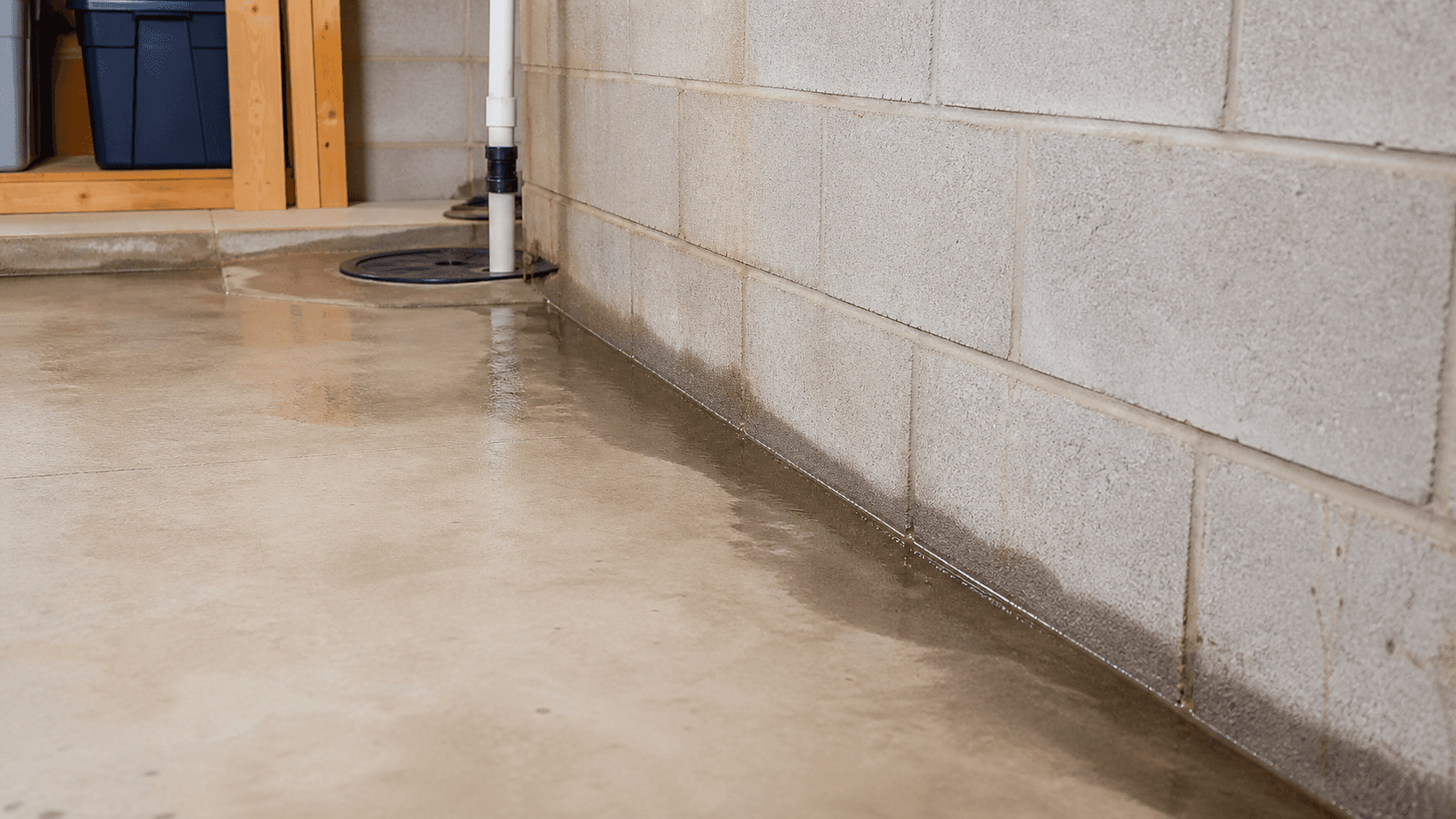
Water along a basement wall-floor joint after rain with a sump area nearby

Basement water problem

Water in Basement After Rain

Water that appears after rain usually means the basement is receiving more water than the walls, floor, drains, sump pump, or exterior drainage can manage. Start by finding the entry pattern before choosing a repair.

Direct answer

What rain-related basement water usually means

  • Water is collecting against the foundation, below the slab, or around the basement perimeter.
  • The source may be gutters, grading, wall cracks, floor pressure, window wells, a sump problem, or several issues together.
  • The right repair depends on where water enters and how it behaves during repeated storms.

If standing water is near electricity, appliances, or the electrical panel, stay out of the water and call qualified help.

First response

What to do first when water appears after rain.

The first goal is not to guess the repair. It is to keep the area safe, record the pattern, and separate a one-time wet spot from a repeat water-intrusion problem.

Water along a basement wall-floor joint after rain with a sump area nearby
Water along the wall-floor joint is an important clue because it can point to perimeter seepage, pressure below the slab, or a drainage/sump system that needs review.

Start with safety. Do not walk into standing water if electrical outlets, extension cords, appliances, HVAC equipment, or the electrical panel may be involved. CDC flood guidance warns homeowners not to turn power on or off, or use electric tools or appliances, while standing in water. If the power cannot be shut off from a dry location, call an electrician or emergency professional rather than trying to reach the panel through water.

After the area is safe, take photos before cleanup. A basement that looks dry the next morning may not show where the water started. Photograph the first wet spot, water lines on walls, damp seams, cracks, the sump pit, the discharge pipe, window wells, downspouts, and any exterior puddles close to the house. Good photos help you compare the next storm and help a contractor understand whether the issue is isolated or part of a wider drainage pattern.

Remove standing water and dry wet materials as soon as it is safe. CDC cleanup guidance recommends drying wet areas quickly after storms or floods, within 24 to 48 hours if possible, to reduce mold risk. That does not mean every small damp spot is a disaster, but it does mean wet carpet, cardboard boxes, drywall, insulation, and stored items should not sit damp for days while you wait to see what happens.
Quick checklist

Record the water pattern before it dries.

Rain-related leaks are often intermittent. The most useful evidence may disappear before a contractor arrives, so capture the pattern while it is visible.

Mark where the water first appears, not only where it spreads after pooling.

Write down whether the water appears during rain, right after rain, hours later, or only during long wet periods.

Look outside for clogged gutters, short downspouts, low soil near the foundation, window-well water, or puddles beside the house.

Check whether the sump pump ran, failed, overflowed, or never turned on.

Take photos before moving stored items, drying the floor, or calling for an estimate.

Likely causes

Why basement water appears after rain.

A wet basement after rain does not point to one automatic fix. It usually means water is reaching the foundation faster than the home can shed, block, collect, or pump it away.

1

Roof water is being dumped beside the foundation

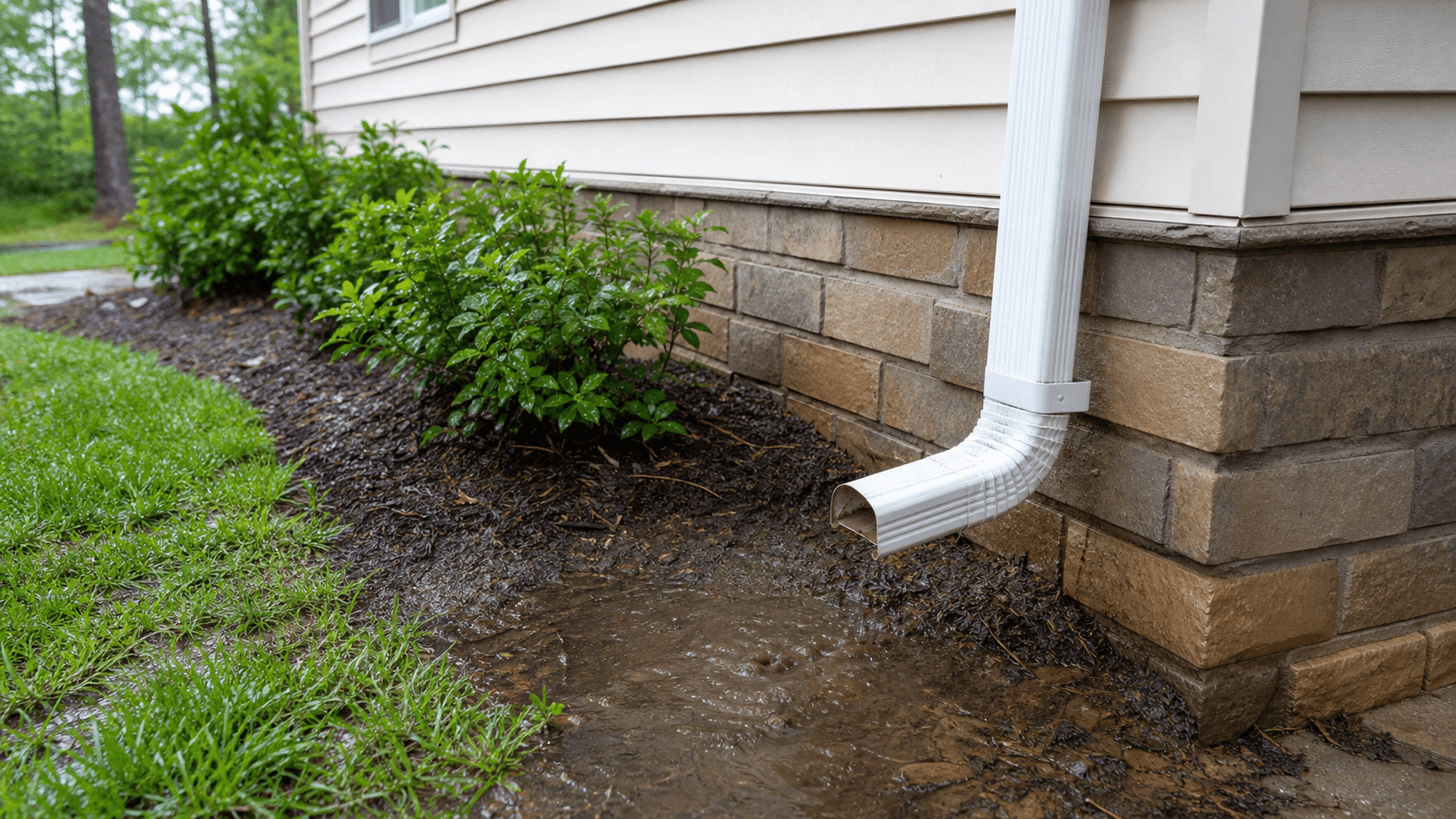
Gutters and downspouts are often the first place to look because they handle a large volume of rainwater. NC State Extension notes that roof water should drain away from foundation walls and that gutters and downspouts should be open and in good repair. If downspouts empty next to the house, splash blocks are missing, extensions are disconnected, or gutters overflow during storms, the soil beside the basement wall can become saturated quickly.

Downspout discharging rainwater beside a masonry foundation after a storm
Roof water that empties beside the foundation can saturate the soil quickly and make indoor seepage worse during heavy rain.
2

Surface grading slopes toward the basement wall

Even when gutters work, the ground around the house can send rainwater back toward the foundation. Low areas, settled backfill, patios that pitch toward the house, sunken window wells, and planting beds that trap water all increase pressure near basement walls. After a storm, walk the exterior and look for puddles, mud lines, washed mulch, or damp soil that stays wet longer than nearby areas.

3

Water pressure is building below the slab or at the wall-floor joint

Water at the basement perimeter often points to pressure beneath the floor or outside the wall. The joint where the wall meets the floor is not designed to act like a bathtub seam under pressure. If water appears around the edges of the basement, an interior drain, perimeter drain, sump basin, or exterior drainage correction may be part of the conversation.

4

A wall crack, pipe penetration, or masonry joint is leaking

Rainwater may enter through a specific weakness in the wall. A vertical crack, old pipe sleeve, cold joint, deteriorated mortar, or porous masonry section can stay dry most of the year and leak only when the soil outside is saturated. The clue is usually a repeatable stain, drip line, or wet spot that begins in the same place after storms.

5

The sump pump or discharge system cannot keep up

A sump pump can fail because of power loss, a stuck float, a clogged intake, a blocked discharge line, or simple age. It can also run perfectly and still be overwhelmed if the drainage system sends more water to the basin than the pump can move. If the basin fills, the pump short-cycles, or water returns from the discharge line, the pump system deserves a closer look.

How urgent is it?

Use the severity of the water pattern to decide the next step.

A basement can be damp without being an immediate emergency, but repeated water after rain deserves attention. The more active, widespread, electrical, contaminated, or recurring the water is, the faster you should involve qualified help.

Situation
What it looks like
Next step
Active flooding
Standing water is spreading, approaching outlets, appliances, HVAC equipment, or the electrical panel.
Stay out of water near electricity and call qualified help.
Repeated seepage
Water returns after most heavy rains, even if it dries within a day.
Document the pattern and review drainage, sump, and waterproofing options.
Localized dripping
Water starts from one crack, pipe sleeve, window well, or wall area.
Track the exact entry point and compare crack repair or exterior drainage options.
Musty odor after rain
The basement smells damp even when you do not see standing water.
Check humidity, hidden materials, stored items, and the water source before finishing the space.
One-time minor dampness
A small damp area appears during an unusual storm and does not repeat.
Monitor carefully, check exterior drainage, and keep photos for comparison.

What not to do

Avoid fixes that hide the symptom but leave the water path alone.

Waterproof paint, caulk, foam, towels, and a portable dehumidifier may make the basement look better for a short time. They do not always solve the reason rainwater is reaching the basement. If water returns after the next storm, the repair conversation should move from surface treatment to drainage, pressure, cracks, sump performance, and exterior water management.

Do not seal active seepage without asking where the water will go next.

Do not finish a basement wall over recurring dampness or hidden water stains.

Do not assume a sump pump is enough if water appears far from the basin.

Do not ignore gutters, downspouts, and grading because the leak is visible indoors.

Do not treat sewage, chemical water, or electrical risk as ordinary waterproofing cleanup.

Repair options

Which waterproofing options may apply?

The best solution should match the water path. A contractor should be able to explain whether the plan reduces exterior water, collects interior water, repairs a leak point, improves the sump system, or combines several steps.

Local context

Raleigh, Durham, and Fayetteville homeowners should ask local drainage questions.

The local market matters, but local claims should be specific and supportable. For now, use local pages to organize the questions that should be verified for each home and each estimate.

Raleigh and Durham pages in the current market often emphasize heavy rain, humid conditions, clay-heavy or slow-draining soils, interior drainage systems, sump pumps, and exterior waterproofing. Fayetteville pages often emphasize drainage, sump pump readiness, and water management during storms. Those themes are useful search signals, but your page and estimate should still come back to the individual property: where the roof water drains, how the yard slopes, whether the basement is finished, whether the sump pump works, and where water first appears.

Be careful with city pages that sound like every home has the same problem. A Raleigh basement with tight exterior access may lean toward a different repair discussion than a Fayetteville home with exterior pooling or a Durham home with an older masonry wall. The right local page should help you ask better questions, not assume the answer before anyone inspects the house.

Estimate preparation

Questions to ask before approving basement waterproofing work.

A useful waterproofing estimate should connect the visible symptom to a water source, a repair method, a discharge path, and clear exclusions. If the explanation is vague, ask for more detail before comparing price.

Request an estimate

What is the assumed water source, and what evidence supports that conclusion?

Is the proposed work reducing water outside, collecting water inside, sealing a crack, improving the sump system, or doing more than one of those things?

Where will collected water discharge, and how will the discharge avoid recycling water back toward the foundation?

What parts of the basement, slab, wall, landscaping, flooring, or finished materials will be disturbed?

What maintenance does the system need after installation?

What is excluded from the quote, including electrical work, plumbing, finish repairs, mold cleanup, or structural repair?

What warranty applies to the pump, basin, drain, crack repair, membrane, or workmanship, and what conditions void it?

Common questions

Water in basement after rain FAQs

These answers help you decide whether to monitor, dry out, inspect the exterior, review sump pump performance, or ask for professional evaluation.

Why does water come into my basement only when it rains?

Rain can saturate soil beside the foundation, overload gutters, expose grading problems, raise water pressure below the slab, or reveal a crack that stays dry in normal weather. The timing is useful because it points toward surface water, groundwater pressure, drainage, or sump pump performance.

Should I seal the inside wall if water comes in after rain?

A coating or patch may hide a stain, but active seepage usually needs the water path addressed. That may mean exterior drainage, crack repair, an interior drain, a sump pump, or a combination. Sealing over moisture without understanding the source can lead to peeling, bubbling, or recurring leaks.

Is basement water after rain an emergency?

It can be. Standing water near electricity, appliances, HVAC equipment, sewage, or unstable materials deserves immediate caution. Small damp spots are less urgent, but repeated water after rain should not be ignored because wet materials and high humidity can create larger problems over time.

Can a sump pump stop water from entering the basement?

A sump pump removes water that reaches the basin. It does not stop water from reaching the foundation wall. Many systems pair a sump pump with interior drainage, exterior drainage, or both so water is collected and discharged in a controlled way.

What should I photograph before calling a contractor?

Photograph the first wet spot, the widest puddle, wall stains, cracks, the sump basin, downspouts, window wells, exterior puddles, and any damaged stored items. Photos taken before cleanup help a contractor understand the pattern.

Sources

Sources and review notes

This page should be reviewed as pricing, local market data, and contractor availability change.

Last reviewed: August 2, 2026. This article uses public health and home-maintenance sources for safety and moisture-control boundaries, plus local market pages to understand search intent. It does not provide mold, structural, electrical, plumbing, insurance, or legal advice.